


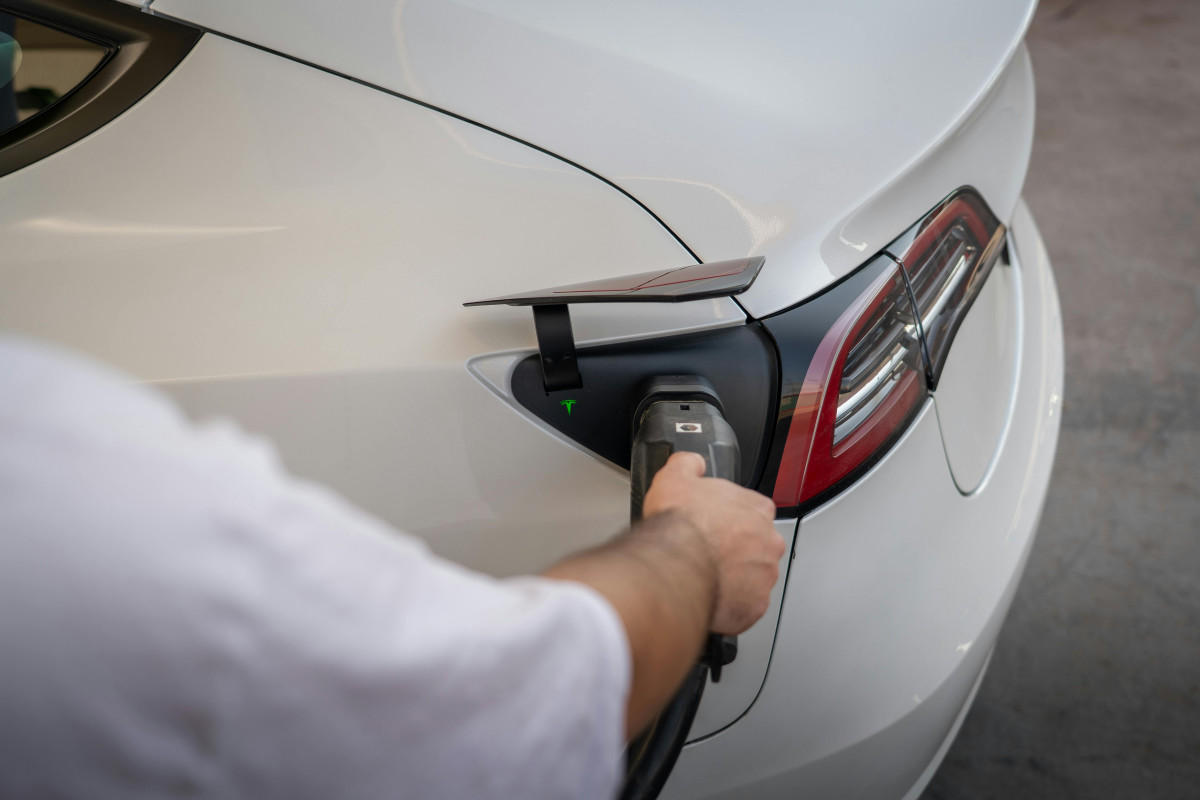
The landscape of the American automotive industry has undergone a radical transformation over the last decade, and by 2026, the transition toward electrification has reached a critical tipping point. As electric vehicles (EVs) move from niche luxury segments to mainstream adoption, the insurance sector has been forced to overhaul traditional underwriting frameworks that were originally designed for internal combustion engine (ICE) vehicles. Insuring an electric vehicle in the United States in 2026 involves navigating a complex intersection of advanced technology, specialized repair networks, and shifting regulatory environments.
Understanding the current state of EV insurance requires an analysis of how insurers calculate risk for battery-powered fleets compared to traditional gasoline cars. While early adopters once faced significantly higher premiums, the market in 2026 has become more nuanced. Insurance providers are now utilizing granular data to distinguish between different classes of EVs, ranging from budget-friendly commuter models to high-performance premium sedans. This evolution in the insurance market is a direct response to the unique mechanical and structural realities of electric mobility.


Factors Influencing EV Insurance Premiums in 2026
One of the primary drivers of insurance costs in 2026 remains the high price of specialized repairs. Unlike traditional vehicles, EVs rely on complex lithium-ion battery systems and integrated electronic architectures that require specific technical expertise to service. Research into EV repair activities highlights that service and post-crash handling environments represent a unique risk context, as damaged battery systems can introduce hazards such as thermal runaway or delayed ignition (MDPI, 2026). Consequently, insurance companies must account for the necessity of certified repair facilities and the higher cost of replacement parts.
Data from recent actuarial studies suggest that while EVs demonstrate a 17% lower accident frequency compared to ICE vehicles, the severity of claims tells a different story. When accidents do occur, property damage claims for EVs tend to be more expensive due to the specialized nature of the components involved (Klier & Rubenstein, 2022). Conversely, bodily injury claims are often lower, a trend attributed to the superior safety ratings and structural integrity of modern EV chassis. This shift in the claim cost profile—higher property damage but lower injury costs—has led to an overall reduction in risk for certain vehicle segments, though it keeps premiums for mid-range and budget EVs relatively volatile.
The Role of Advanced Safety Technology and ADAS
The integration of Advanced Driver-Assistance Systems (ADAS) has become a standard feature in the 2026 EV market. These technologies, which include autonomous emergency braking, lane-keeping assistance, and sophisticated sensor arrays, play a pivotal role in modern underwriting. Insurers now prioritize vehicles equipped with these features because they significantly mitigate human error, which has historically been the leading cause of traffic incidents.
In the current insurance landscape, there is a clear distinction between premium and budget EV models. Premium EVs often benefit from lower underwriting volatility because they are equipped with the most advanced safety suites and are typically driven by a demographic with a lower risk profile. Budget models, while more accessible to the general public, may experience higher premium fluctuations if they lack certain high-end safety features or if their repair costs remain high relative to their market value. Actuaries in 2026 are increasingly using vehicle-specific performance data and software reliability metrics rather than relying solely on driver demographics to determine rates.
Battery Health and Sustainability in Underwriting
By 2026, the health of the vehicle’s battery has become a central component of its insurable value. The battery is the most expensive single component of an electric vehicle, often accounting for a substantial portion of the total cost of ownership. Insurance providers have introduced specialized coverage options that specifically address battery degradation and accidental damage. Furthermore, the industry has begun integrating environmental impact data into its pricing models.
A growing trend in 2026 is the adoption of green repair incentives. These programs encourage the use of sustainable repair practices and the recycling of battery components, aligning insurance products with broader net-zero commitments. Some insurers have even started implementing carbon-related segmentation, where vehicles are categorized not just by their safety record but by their overall environmental footprint. This reflects a shift toward “net-zero insurance,” where the sustainability of the vehicle influences the policyholder’s financial obligations.
Telematics and Usage-Based Insurance Models
The 2026 insurance market has seen a massive surge in the popularity of telematics and usage-based insurance (UBI) specifically for EV owners. Because EVs are highly connected devices, they provide a wealth of real-time data that insurers can use to create highly personalized policies. In-house insurance services offered directly by automakers have gained significant market share by leveraging this data to offer lower rates to safe drivers.
Telematics programs in 2026 monitor factors such as regenerative braking efficiency, charging habits, and average speed. Drivers who consistently use low-carbon charging rewards or maintain their vehicles according to manufacturer specifications are often eligible for significant discounts. This data-driven approach allows for a more equitable distribution of costs, as insurance premiums are based on actual driving behavior rather than generalized statistical averages. It also helps mitigate the financial risks associated with the high torque and rapid acceleration characteristic of many electric motors.
State and Federal Regulatory Changes
The legal framework surrounding auto insurance is also evolving to keep pace with technological advancements. In 2026, there is an ongoing movement toward a more uniform federal framework for insurance, particularly concerning vehicles with autonomous capabilities. Fragmented state-level rules have historically created uncertainty in accidents involving cross-jurisdictional travel. New legislative proposals aim to establish minimum compulsory coverage and mandate the disclosure of accident data to enhance transparency (ASCE Library, 2026).
Some states have moved toward no-fault insurance models to streamline the claims process for EV-related accidents. This change is partly driven by the shifting nature of liability; as vehicles become more autonomous, the responsibility for accidents is moving away from the individual driver and toward vehicle manufacturers and software providers. This transition necessitates a reevaluation of personal auto insurance policies and is leading to a growth in product liability insurance within the automotive sector.
Total Cost of Ownership and Insurance Parity
While the upfront cost of insurance for an EV may still be higher than for an equivalent gasoline vehicle in some regions, the gap is narrowing. When viewed through the lens of Total Cost of Ownership (TCO), EVs in 2026 are often more economical than their ICE counterparts. Studies comparing popular models like the Chevrolet Bolt or Tesla Model Y against traditional sedans and SUVs show that significant savings in fuel and maintenance often offset the insurance costs over a seven-year period (Atlas Public Policy, 2024).
By 2026, the insurance industry has reached a level of maturity where the risks associated with electric mobility are better understood. As the volume of historical data on EV accidents and repairs grows, actuarial models become more accurate, leading to more stable pricing. The continued expansion of charging infrastructure and the standardization of battery repair protocols are expected to further drive down insurance costs in the coming years, making electric vehicle ownership increasingly viable for all segments of the American public.