


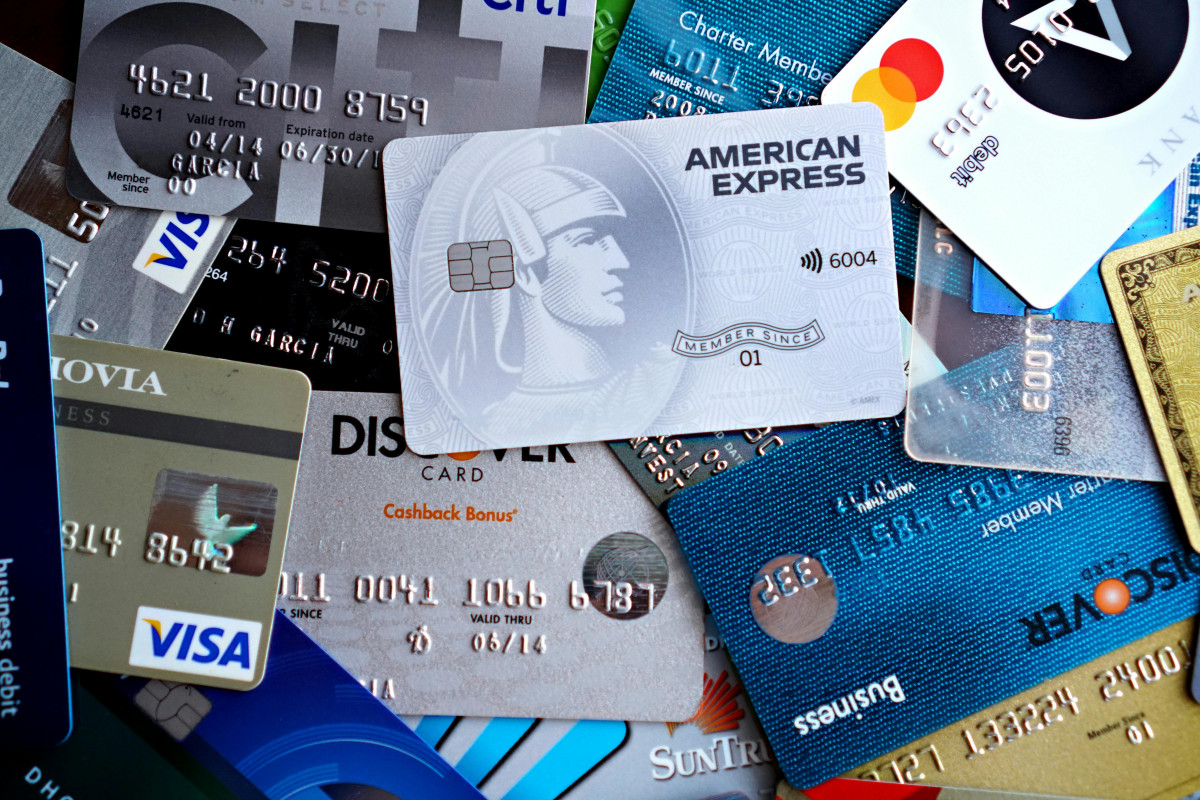
The credit card landscape in 2026 has reached a pivotal moment of evolution, driven by a hyper-competitive market and shifting consumer expectations. As inflation stabilizes and travel demand remains at historic highs, major financial institutions have revamped their rewards programs to offer unprecedented value. In the current year, the total value of consumer credit card rewards is projected to exceed 108 billion dollars, reflecting a industry-wide shift toward high-yield cash back, premium travel perks, and flexible redemption options. For American consumers, navigating this environment requires a detailed understanding of how different card tiers align with specific spending habits and financial goals.
The Rise of High-Yield Cash Back Programs
Cash back remains the most sought-after rewards category in 2026, prized for its transparency and ease of use. Issuers have responded by increasing standard earn rates and expanding bonus categories to include digital services and sustainable commerce. The current market shows a distinct preference for flat-rate cards that offer a high baseline of return on every purchase, alongside tiered cards that reward specific lifestyle expenditures like dining and groceries.


One of the standout performers in 2026 is the Wells Fargo Active Cash Card, which continues to provide a straightforward 2% cash rewards on all purchases. This card has become a staple for those seeking simplicity without sacrificing earning potential. Meanwhile, the Chase Freedom Unlimited has maintained its position as a top-tier multi-category card, offering 5% back on travel through its proprietary portal, 3% on dining and drugstores, and 1.5% on all other transactions. This tiered structure appeals to a broad demographic of users who want a single card capable of maximizing rewards across various daily activities.
For households with high grocery and gas expenses, the Blue Cash Preferred Card from American Express remains a dominant force. It offers an industry-leading 6% cash back at U.S. supermarkets on up to 6,000 dollars in annual spending, 6% on select streaming services, and 3% at U.S. gas stations and on transit. In an era where grocery costs remain a significant portion of the average American budget, the ability to recoup such a high percentage of spending provides tangible financial relief.
Premium Travel Cards and the Return of Luxury Perks
Travel rewards cards have seen a resurgence in 2026, characterized by high welcome bonuses and enhanced airport experience benefits. As major carriers and hotel chains integrate more closely with banking partners, the utility of travel points has reached new levels of flexibility. The luxury segment is particularly active, with issuers competing to offer the most comprehensive suite of lounge access, statement credits, and elite status pathways.
The Chase Sapphire Reserve continues to lead the premium sector, having recently expanded its benefits to include higher credits for dining and exclusive travel bookings. In 2026, the card provides 10x points on hotels and car rentals through Chase Travel and 5x points on flights. Its 300 dollar annual travel credit remains the most flexible in the industry, automatically applying to a wide range of expenses from airfare to rideshares. Furthermore, the expansion of the Sapphire Lounge network in major hubs like Los Angeles and Dallas has significantly increased the card’s value proposition for frequent flyers.
Competition in the travel space is bolstered by the Capital One Venture X Rewards Credit Card. With a lower annual fee than many of its luxury counterparts, it offers 10x miles on hotels and rental cars and 5x miles on flights booked through Capital One Travel. A key feature of this card in 2026 is its unlimited 2x miles on all other purchases, making it a powerful tool for those who prefer to consolidate their spending onto a travel-focused card. The inclusion of a 100 dollar anniversary bonus and 300 dollars in annual travel credits often offsets the cost of the card entirely for active travelers.
Dynamic Rewards for Dining and Entertainment
The spending patterns of 2026 show a significant allocation of disposable income toward experiences, particularly dining and live entertainment. Recognizing this, lenders have introduced and updated cards that focus exclusively on the “experience economy.” These cards often feature partnerships with ticketing platforms and restaurant reservation services to provide unique access alongside high reward multipliers.
The Capital One Savor Cash Rewards Credit Card has emerged as a favorite for those who prioritize social spending. It offers 3% cash back on dining, entertainment, popular streaming services, and at grocery stores. Notably, in 2026, it provides 8% cash back on tickets purchased through Capital One Entertainment, which includes concerts, professional sports, and theater. This specific focus on the entertainment sector allows users to earn significant rewards on high-cost items that were previously relegated to standard 1% categories.
Similarly, the American Express Gold Card remains a powerhouse for food enthusiasts. Its 4x points on dining at restaurants worldwide and at U.S. supermarkets makes it one of the fastest ways to accumulate Membership Rewards points. The card’s structure in 2026 also includes monthly credits for delivery services and select restaurant groups, further enhancing its value for urban professionals and families alike who frequently utilize food delivery apps.
Specialized Categories and Introductory Offers
Beyond general travel and cash back, the 2026 market features highly specialized cards designed for specific consumer needs, such as student spending, retail loyalty, and interest-free periods. These cards often serve as entry points into the credit ecosystem or as strategic tools for managing large upcoming purchases.
The Discover it Cash Back card continues to attract new users with its rotating 5% bonus categories, which in 2026 include essential areas like gas stations, wholesale clubs, and online retailers. A major draw remains the Cashback Match feature, where Discover matches all rewards earned at the end of the first year. This effectively turns the 5% categories into 10% categories for new cardmembers, representing some of the highest potential returns available in the first 12 months of card ownership.
For consumers focused on interest savings, the 2026 market offers several cards with extended 0% introductory APR periods. Cards like the Wells Fargo Reflect and the U.S. Bank Visa Platinum often provide up to 18 to 21 months of 0% APR on both purchases and balance transfers. While these cards typically do not offer robust rewards programs, their value lies in the ability to finance large expenses or pay down existing debt without accruing interest, which is a critical financial strategy in the current economic environment.
Security Features and Digital Integration
The best rewards cards of 2026 are not only defined by their earning potential but also by their technological sophistication. Security has become a primary concern for US cardholders, leading to the widespread adoption of advanced features like dynamic CVV codes, biometric authentication via mobile apps, and instant virtual card generation for online shopping.
Most top-tier issuers now offer seamless integration with digital wallets, allowing users to track their rewards in real-time at the point of sale. This instant gratification model has replaced the traditional monthly statement cycle for many programs, allowing consumers to redeem points or cash back immediately after a transaction clears. Furthermore, AI-driven tools integrated into banking apps now provide personalized spending insights, suggesting which card in a user’s wallet will yield the highest rewards for a specific merchant.
As the industry moves through 2026, the focus remains on personalization. Issuers are increasingly moving away from “one-size-fits-all” rewards in favor of flexible structures that allow users to choose their own bonus categories or receive tailored offers based on their unique spending history. This shift ensures that rewards credit cards remain a central component of the American financial experience, providing both a mechanism for payment and a consistent source of value for disciplined consumers.